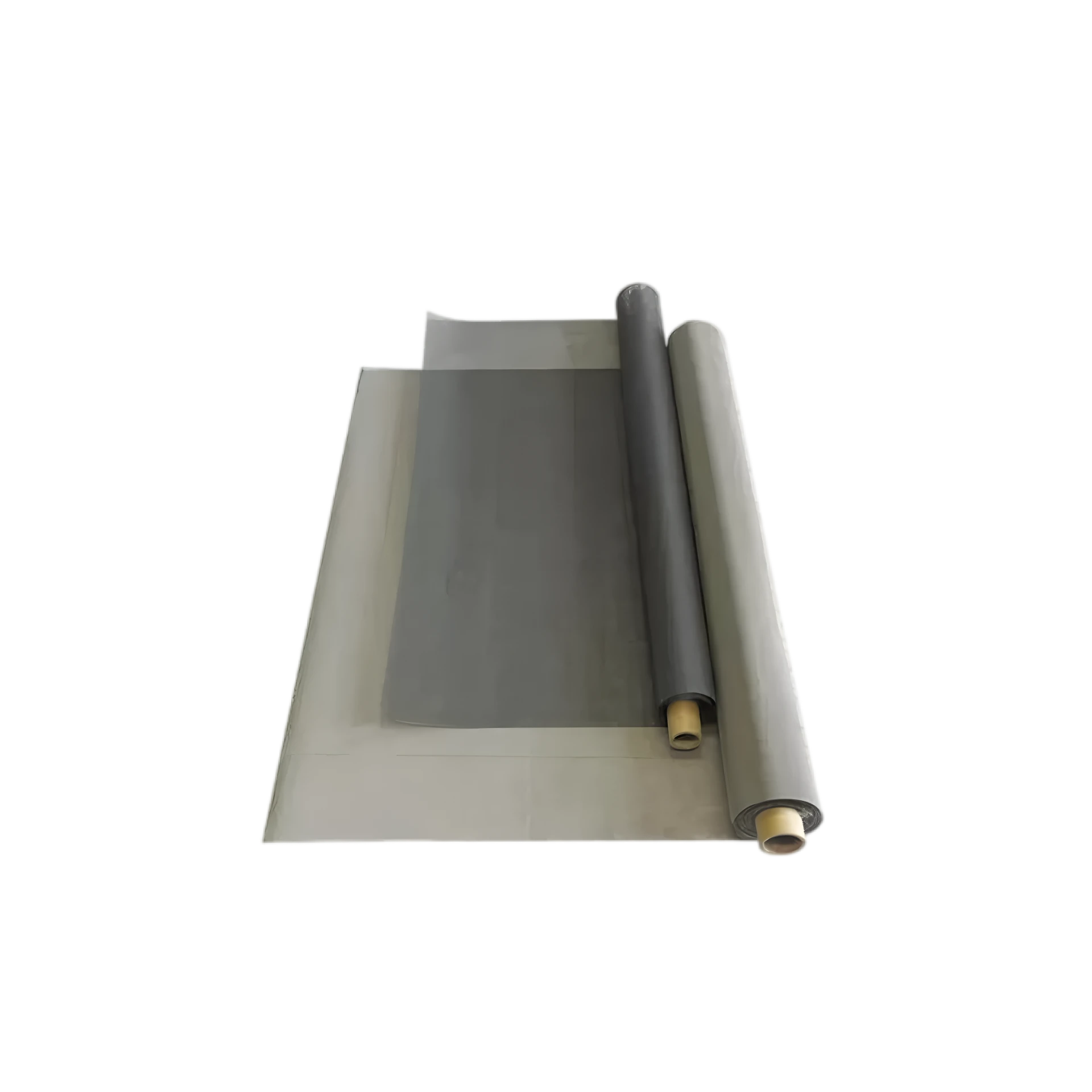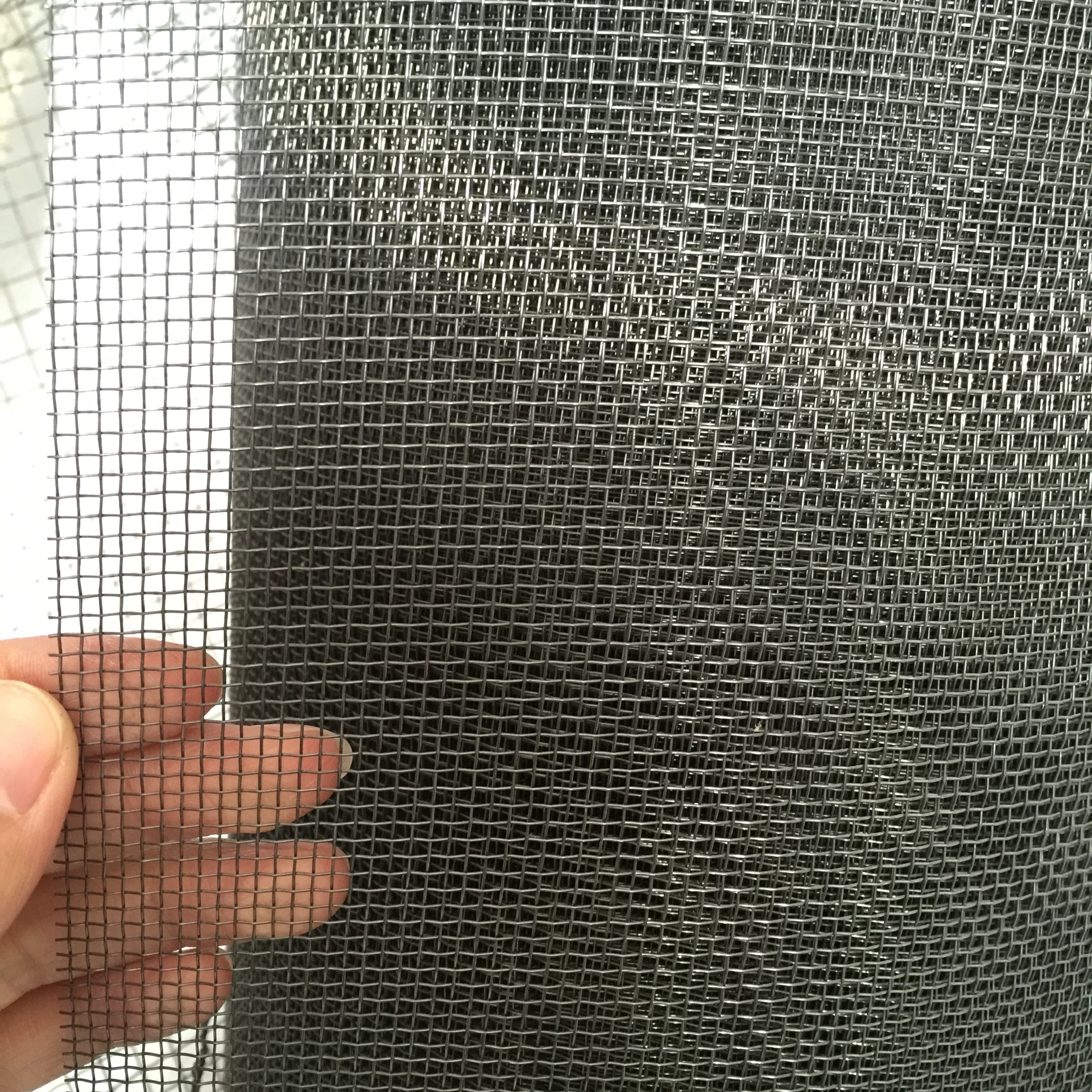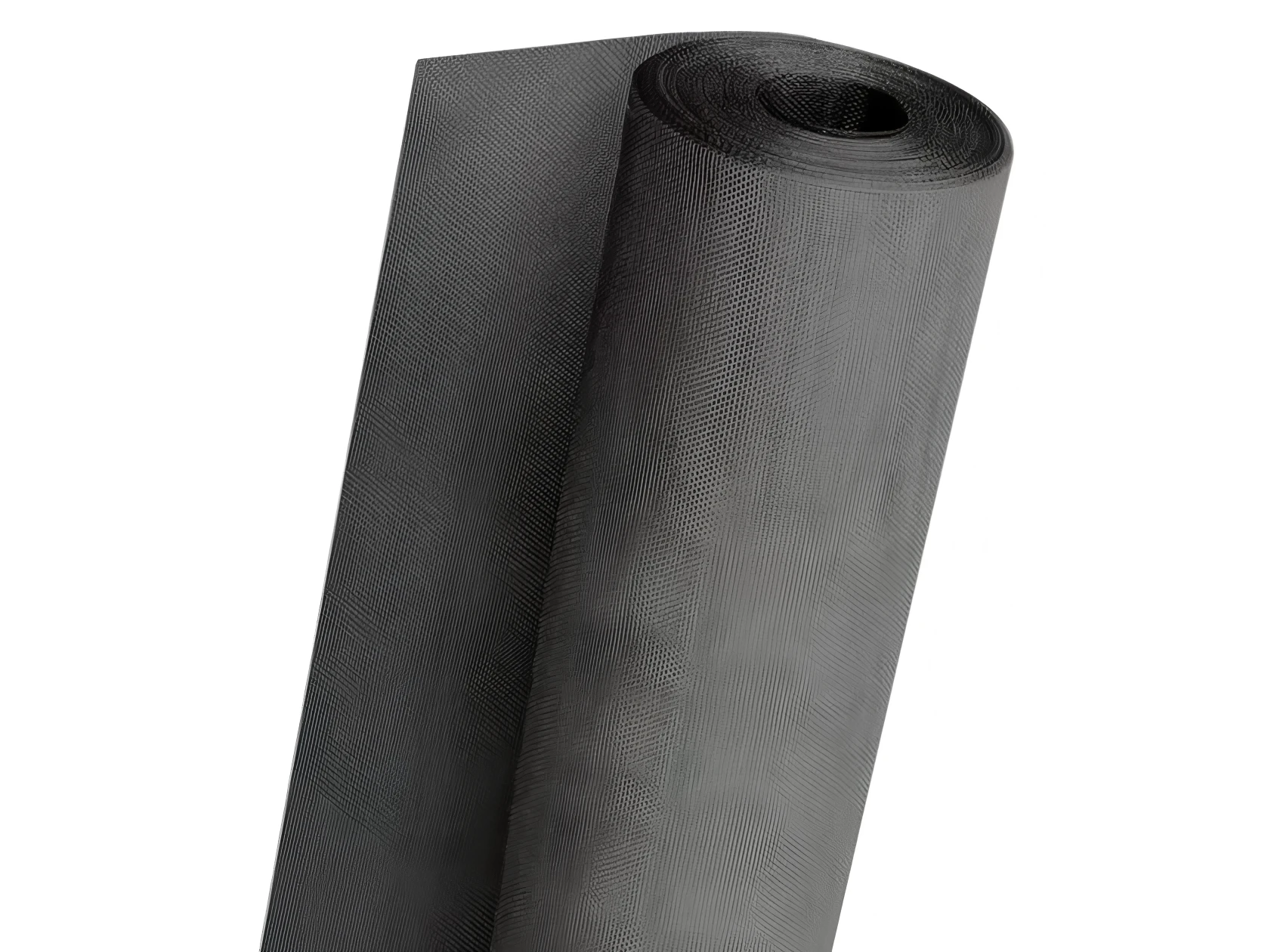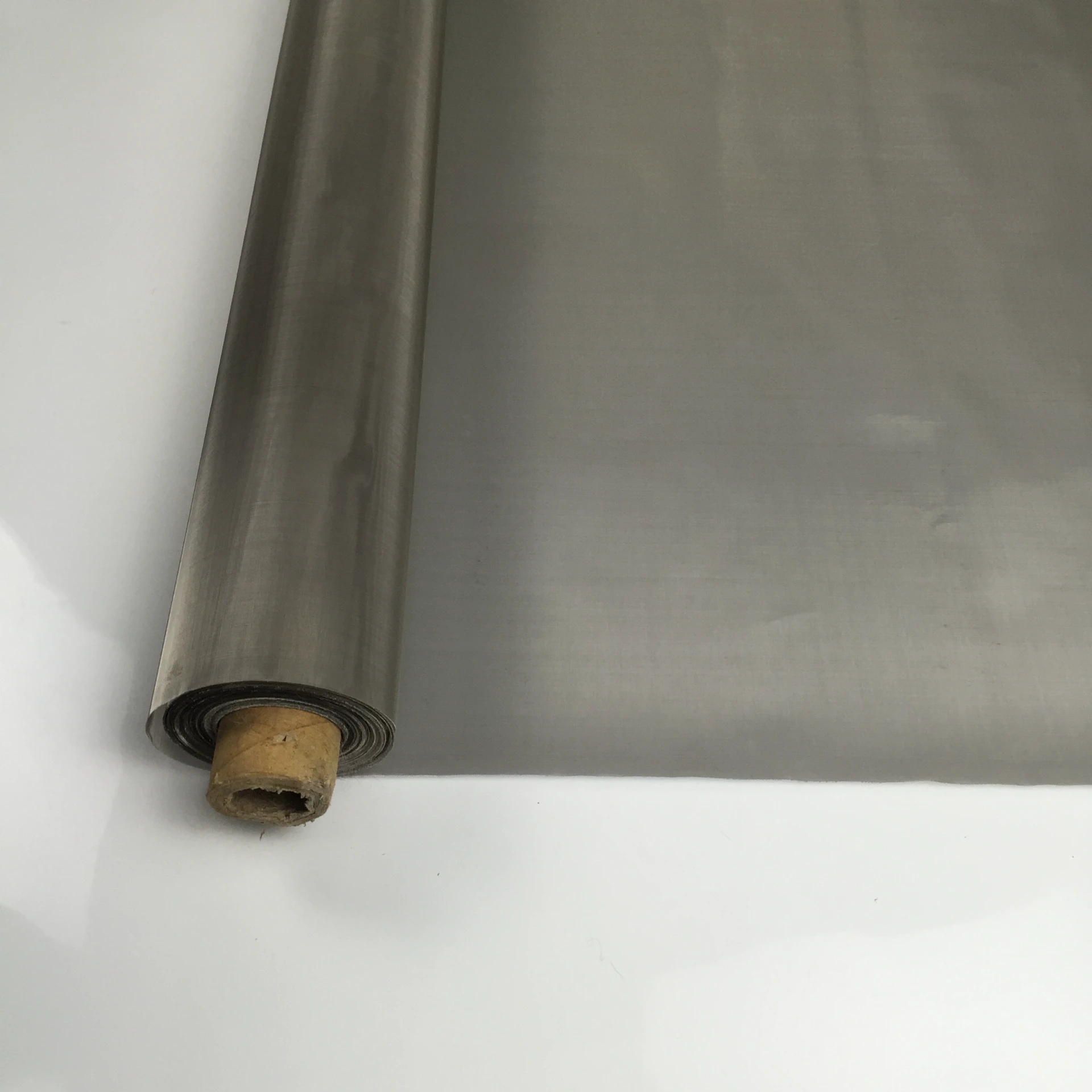
Woven mesh made from Inconel 600, 601, 617, 625, 718, X-750, 800, 825 (and similar grades), offered in plain or twill weave styles. Mesh size 2–200 mesh with diameters of 0.05–1.8 mm; MOQ is 1 roll. Packed with inner kraft paper and outside plastic cloth.

Inconel alloy is a nickel-chromium-iron solid-solution strengthened alloy with excellent resistance to high-temperature corrosion and oxidation. It also offers outstanding cold and hot forming and welding performance, along with satisfactory thermal strength and high plasticity below 700 °C.
Inconel Alloy Chemical Composition (%) | ||||||||||||||||
Inconel 600 | N06600 | C | Mn | S | Si | Cr | Ni | Cu | Fe | Al | Co | Mo | Ti | B | P | Nb + Ta |
|
| 0-0.15 | 0-1 | 0-0.015 | 0-0.5 | 14-17 | Balance | 0-0.5 | 6-10 |
|
|
|
|
|
|
|
Inconel | N06601 | 0-0.1 | 0-1 | 0-0.015 | 0-0.5 | 21-25 | 58-63 | 0-1 | Balance | 1-1.7 |
|
|
|
|
|
|
Inconel | N06617 | 0.05-0.15 | 0-1 | 0-0.015 | 0-1 | 20-24 | ≥44.5 | 0-0.5 | 0-3 | 0.8-1.5 | 10-15 | 8-10 | 0-0.6 | 0-0.006 |
|
|
Inconel | N06625 | 0-0.1 | 0-0.5 | 0-0.015 | 0-0.5 | 20-23 | Balance |
| 0-5 | 0-0.4 | 0-1 | 8-10 | 0-0.4 |
| 0-0.015 | 3.15-4.15 |
- 1. Good oxidation resistance and high-temperature resistance
- 2. Good resistance to cracking at room temperature and at high temperatures
- 3. Good mechanical properties at low and high temperatures
- 4. With good creep-rupture strength provided by control of carbon content and grain size, it is recommended for use in environments above 700 °C.
- Thermocouple sleeves in corrosive atmospheres
- Vinyl chloride monomer production: resistance to chlorine, hydrogen chloride, oxidation, and carburization corrosion
- Uranium oxidation conversion to hexafluoride: resistance to hydrogen fluoride corrosion
- Production and use of corrosive alkali metals, especially in environments using sulfides
- Chlorine process for titanium dioxide
- Production of organic or inorganic chlorides and fluorides: resistance to chlorine and fluorine corrosion
- Nuclear reactors
- Retorts and components in heat-treatment furnaces, particularly in carburizing and nitriding atmospheres
- Catalytic regenerators in petrochemical production: alloy 600H is recommended for applications above 700 °C to support longer service life.