Areas of Work
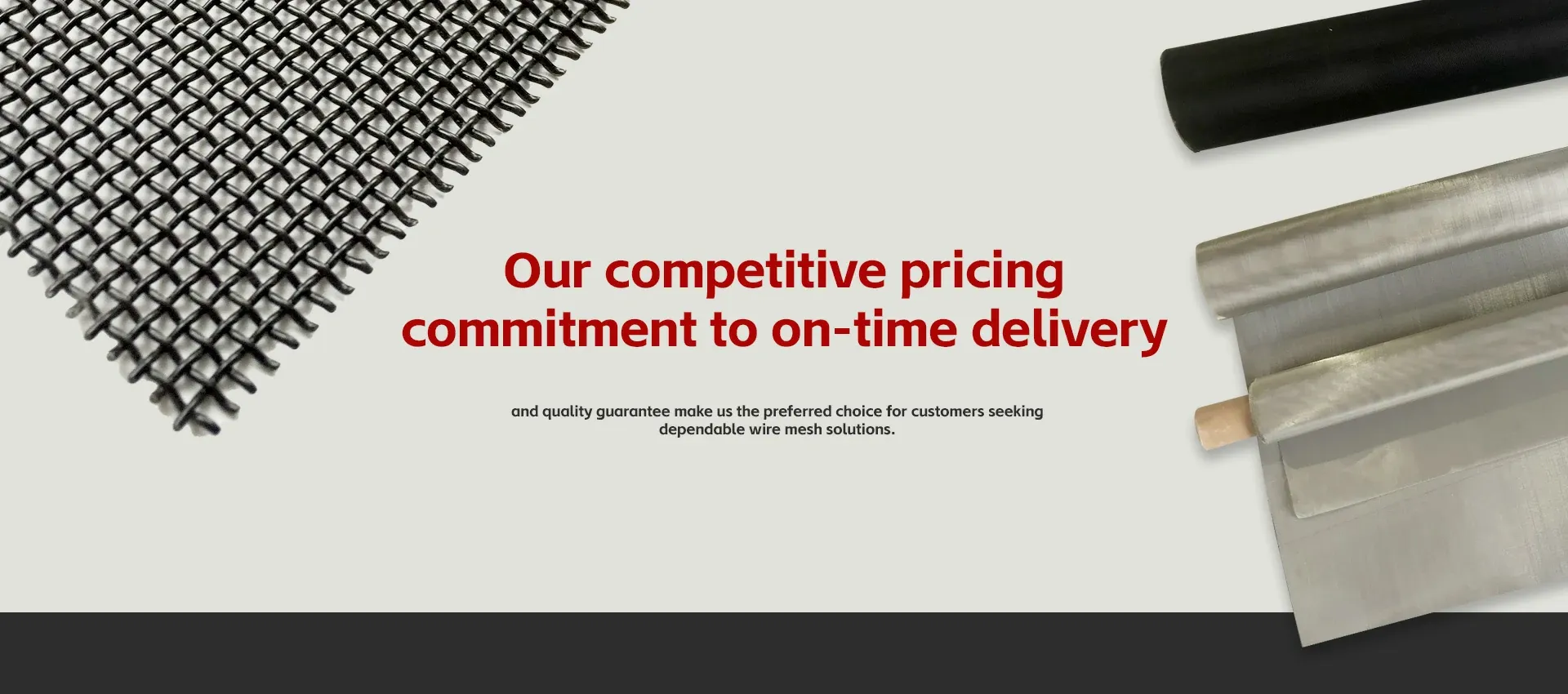
Xingxin Metal Mesh provides stainless steel woven/welded mesh, special material mesh, security window screen and conveyor belts for industrial and architectural use.
Stainless Steel Wire Mesh
Woven and welded stainless steel wire mesh for filtration, screening and industrial protection.
Security Window Screen
X-Guard and perforated security screens for residential and commercial protection.
About Us
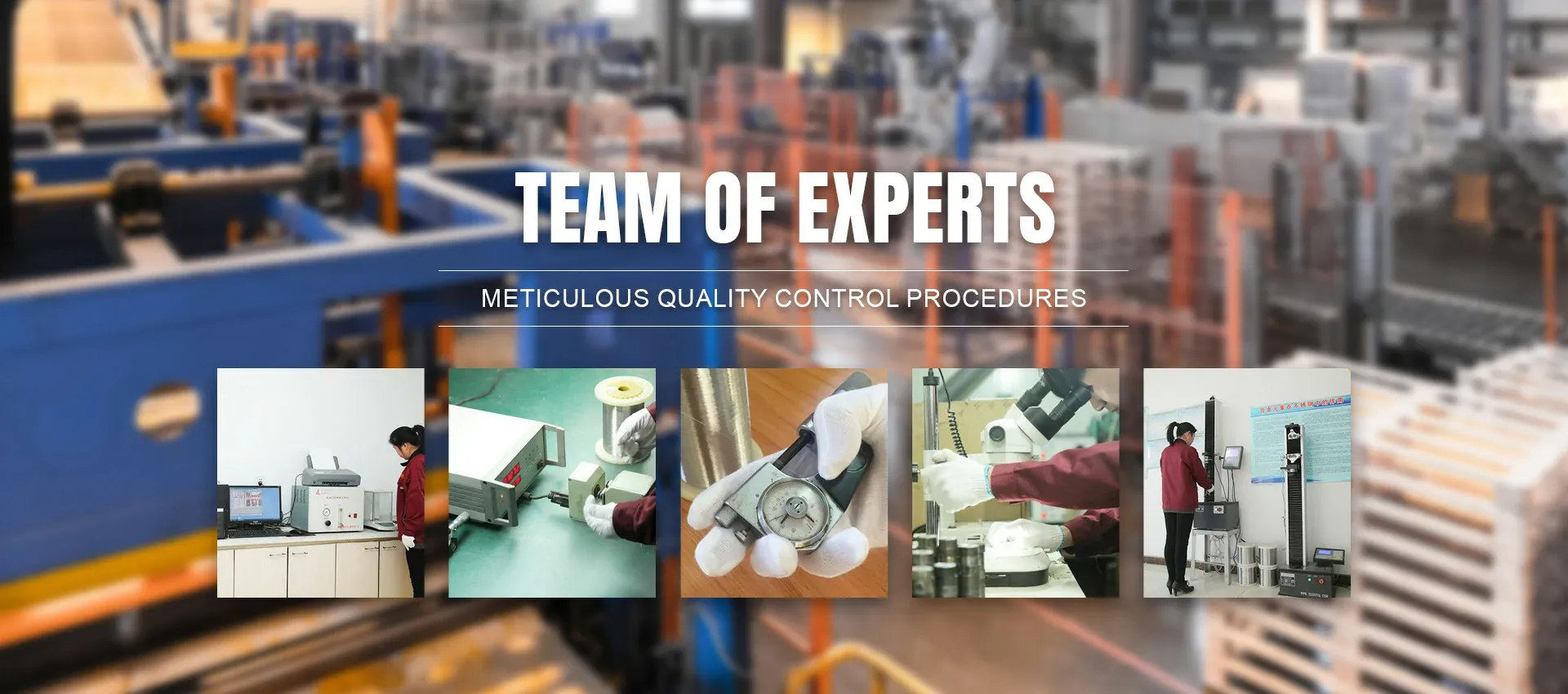
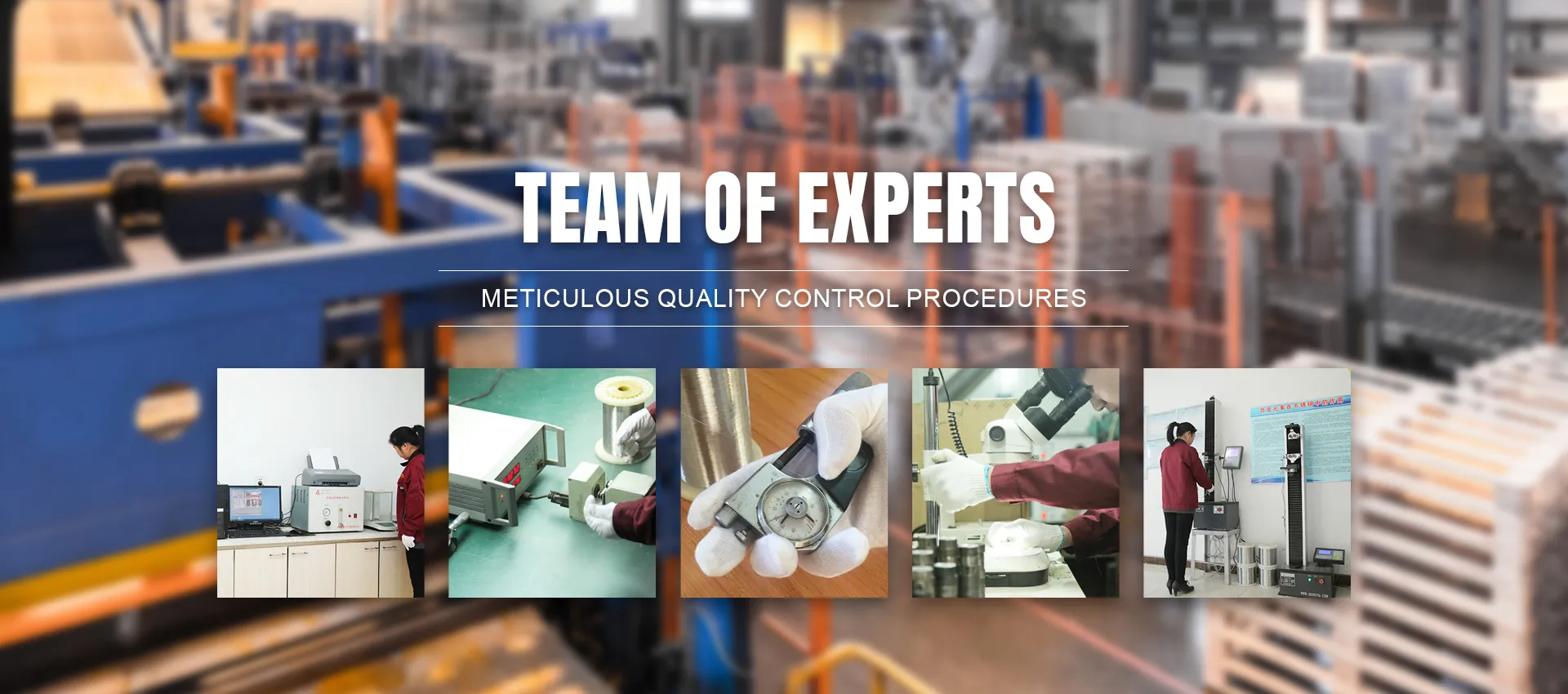
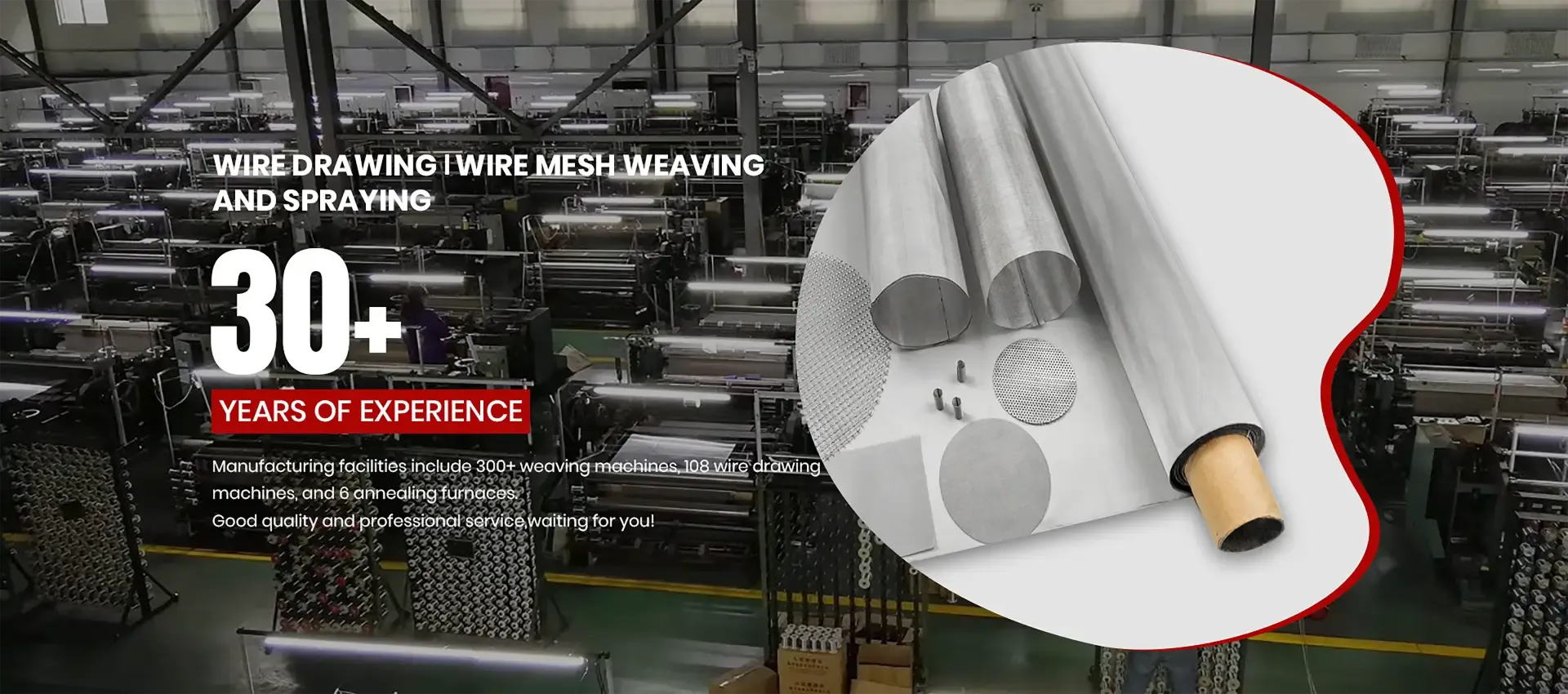
Anping Xingxin Metal Mesh Co., Ltd., established in 1993, is a metal wire mesh manufacturer with wire drawing, weaving and spraying capabilities, delivering stainless steel and special material mesh products for industrial, architectural and security applications.
With 300+ weaving machines and 108 wire-drawing machines, we supply stainless steel, titanium, nickel, monel, inconel and more mesh products worldwide.
Learn moreOur Products
Hot products from Xingxin Metal Mesh — stainless steel mesh, special alloys and security screens.
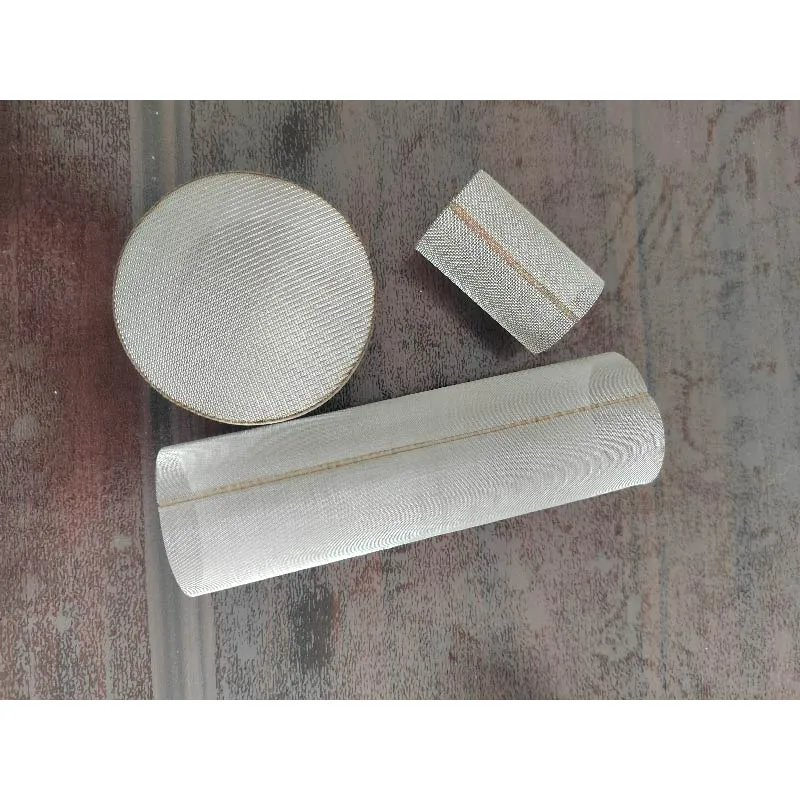
Stainless Steel Filter Discs
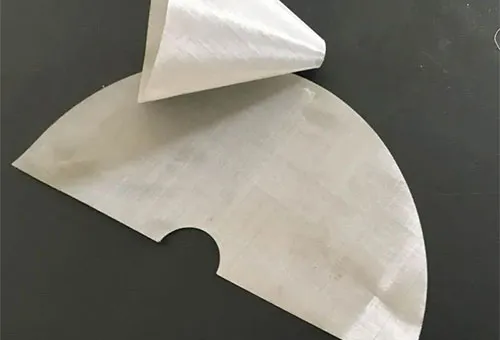
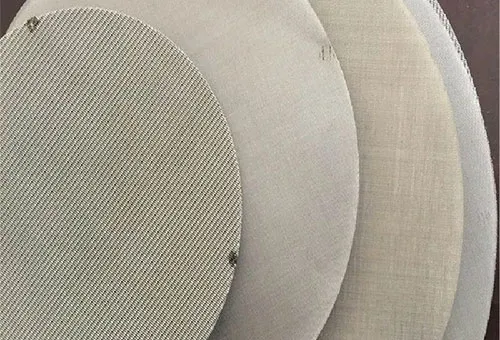
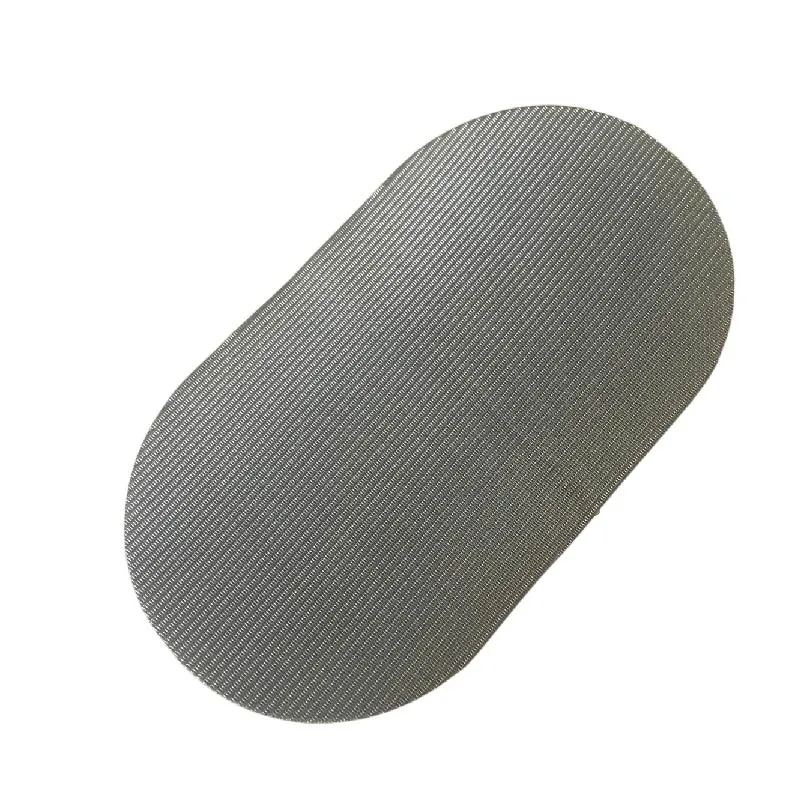
Stainless Steel Filter Discs by Anping xingxin Metal Mesh Co., Ltd. are made from high-quality stainless steel for durable, corrosion-resistant filtration. They are suitable for a wide range of filtration applications in both industrial and commercial settings.

Stainless Steel Filter Discs from Anping Xingxin Metal Mesh Co., Ltd. provide an exceptional solution for a wide range of filtration applications. Made from high-quality stainless steel, these discs offer outstanding durability and corrosion resistance, making them suitable for both industrial and commercial use. Precision engineering ensures efficient filtration by capturing even fine particles while maintaining smooth fluid flow. Available in various sizes and specifications, these filter discs can be customized to meet specific requirements, offering versatility across industries such as food and beverage, pharmaceuticals, and water treatment. The easy-to-clean design supports efficient maintenance and helps enable long service life with minimal wear and tear. With a commitment to quality and customer satisfaction, Anping Xingxin Metal Mesh Co., Ltd. combines advanced technology with expert craftsmanship, positioning its stainless steel filter discs as a reliable choice for professionals seeking long-term performance in filtration solutions. Rely on their expertise for all your filtration needs.
Material: Stainless steel, iron, special alloy metal material
Disc diameters: 5 mm - 600 mm (custom size: 8 mm - 3800 mm).
Weaving methods: plain weave, twill weave, Dutch weave, etc.
Layer: single layer or multiple layers.
Edge materials: copper, aluminum, stainless steel, rubber, etc.
Filtration precision: 0.2 µm - 100 µm.
Shape: round, rectangle, square, crescent, and semicircle. Special shapes can be customized.
Production method: punch, cut, laser, sintered
Application: used for distillation, absorption, evaporation, and filtration in petroleum, refining, chemical industry, light industry, medicine, metallurgy, machinery, shipbuilding, automobiles, and tractors, as well as other industries.
 View product
Stainless Steel Filter Tubes
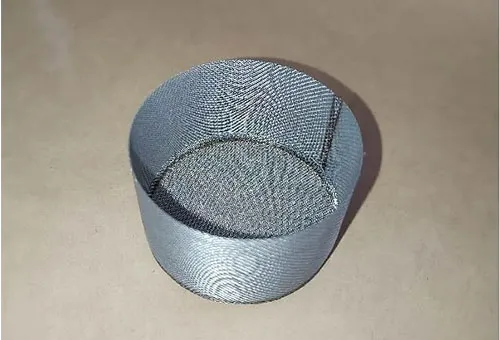
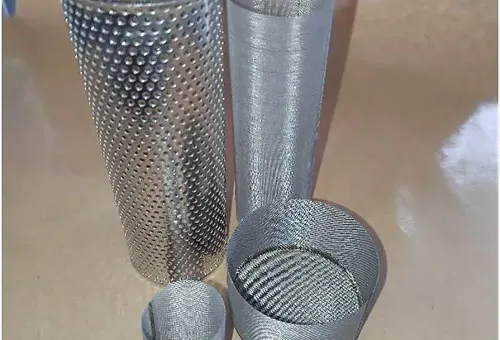
The stainless steel filter tube is a filter element made from high-quality stainless steel, offering high corrosion and high temperature resistance for a wide range of filtration needs. By rolling woven wire mesh or punched plate into a cylindrical shape, it provides a good filtering effect and long service life, helping prevent large impurity particles while maintaining smooth liquid or gas flow. Widely used in petroleum, chemical, and food processing industries, it features a sturdy structure
Stainless steel perforated mesh and stainless steel wire mesh are two common types of stainless steel grid materials, each with distinct structural and functional characteristics.
● Structure: Stainless steel perforated mesh is produced by punching holes in stainless steel sheets. Its mesh structure is regular and precisely formed. Stainless steel wire mesh is made by interweaving stainless steel wires, similar to fabric weaving.
● Filtration capacity: Stainless steel perforated mesh features precise pore size and porosity, enabling fine filtration. It can effectively block particles and impurities while maintaining a high flow rate. Stainless steel wire mesh generally offers lower filtration capacity and is typically used for general filtration applications.
● Strength and durability: Stainless steel perforated mesh has high strength and rigidity, providing excellent structural support. It remains stable under pressure and load, helping to ensure a longer service life. Stainless steel wire mesh is more flexible and adaptable, making it suitable for applications requiring bending and shape adaptability.
● Application areas: Stainless steel perforated mesh is commonly used for liquid filtration, gas filtration, sound insulation, heat insulation, and related applications—particularly where high filtration accuracy is required. Stainless steel wire mesh is widely used in screens, filters, retaining walls, and decorative mesh applications to meet general screening and filtration needs.
● Catalyst filtration and separation
● Petrochemical high-temperature gas filtration, including catalytic cracking oil slurry filtration and petrochemical plant boiling-bed tail gas filtration
● Purification of high-temperature flue gas in the metallurgical industry
● Filtration of other high-temperature gases and liquids
● Filtration of various high-temperature, corrosive liquids and catalysts in the petrochemical industry
● Filtration and separation of various polymer melts in the chemical fiber and film industry
● Filtration and separation of various catalysts in the pharmaceutical industry
● Used for gas distribution and as materials for fluidized-bed orifice plates
● Used for high-pressure backwashing oil filters, etc.
● Used for filtering edible oils, beverages, and various edible slurries
● Used for the purification and filtration of production wastewater
 View product
High Tensile Stainless Steel Wire
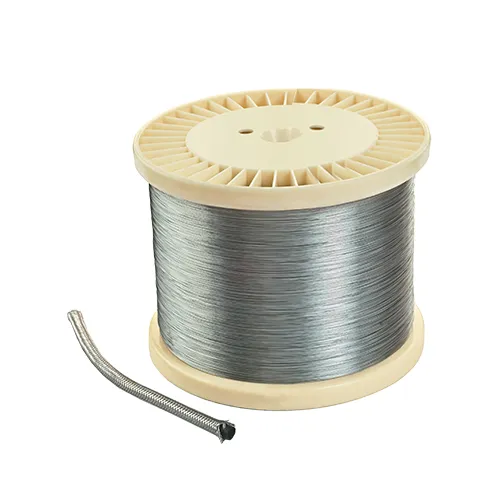
Stainless steel wire is thin, ductile, and malleable, making it easy to bend, wrap, shape, and fabricate without breaking. It offers strength, corrosion resistance, and the ability to withstand high temperatures in demanding environments; the grade number specifies its composition and alloying elements, which determine performance for each application. It is well suited for forming, weaving, welding, cutting, or providing structural support.
|
Product Name
|
Stainless steel wire
|
|
Type
|
Austenitic Stainless Steel Wire / Ferritic Stainless Steel Wire / Martensitic Stainless Steel Wire
|
|
Material
|
200 series: 201, 202
|
|
300 series: 301, 302, 304, 304L, 308, 309S, 310s, 316, 316L, 321, 347
|
|
|
400 series: 410, 420, 430, 434
|
|
|
Surface Treatment
|
Bright (Smooth): Smooth surface, high brightness, and strong corrosion resistance.
|
|
Passivation Treatment: Enhances corrosion resistance and reduces oxidation.
|
|
|
Polishing Treatment: Enhances appearance and provides strong anti-oxidation performance.
|
|
|
Coating Treatment: Provides additional wear and corrosion resistance.
|
|
|
Surface State
|
Cold Drawing: Wire is stretched at room temperature, usually resulting in a smooth surface and high strength.
|
|
Heat Treatment: Heated to a high temperature and then cooled to modify the material’s crystal structure.
|
|
|
Acid Washing: The surface is cleaned with an acid solution to remove oxides and improve corrosion resistance.
|
|
|
Passivation: Through chemical treatment, the surface passivation film is enhanced to improve corrosion resistance.
|
|
Specifications
|
Diameter Range
|
Common Materials
|
Tensile Strength (MPa)
|
Yield Strength (MPa)
|
|
Fine Filaments
|
0.1 mm - 0.5 mm
|
304, 316, 430
|
500 - 750
|
200 - 450
|
|
Ordinary Silk
|
0.5 mm - 3 mm
|
304, 316, 420
|
500 - 700
|
250 - 500
|
|
Bold Silk
|
3 mm - 12 mm
|
304, 316, 310
|
500 - 800
|
300 - 600
|
|
Coarse Silk
|
12 mm - 25 mm
|
304, 316, 420
|
600 - 900
|
400 - 650
|
|
Ultra Coarse Silk
|
25 mm and above
|
304, 316, 310
|
800 - 1000
|
500 - 700
|
|
Grade |
|
Features |
|
304 / 304L |
Austenite |
Most common grade with good corrosion resistance. |
|
316 / 316L |
Austenite |
Ocean grade with higher corrosion resistance than 304. |
|
430 |
Ferrite |
Magnetic, economical, and offers medium corrosion resistance. |
|
310 / 310 |
Austenite |
Heat resistant and used at high temperatures. |
|
321 |
Austenite |
High temperature oxidation resistance. |
|
904L |
Austenite |
Super austenitic; designed for highly corrosive environments. |
|
17-4PH |
Precipitation hardening |
High strength and hardness. |
 View product
Balanced Weave Metal Conveyor Belt
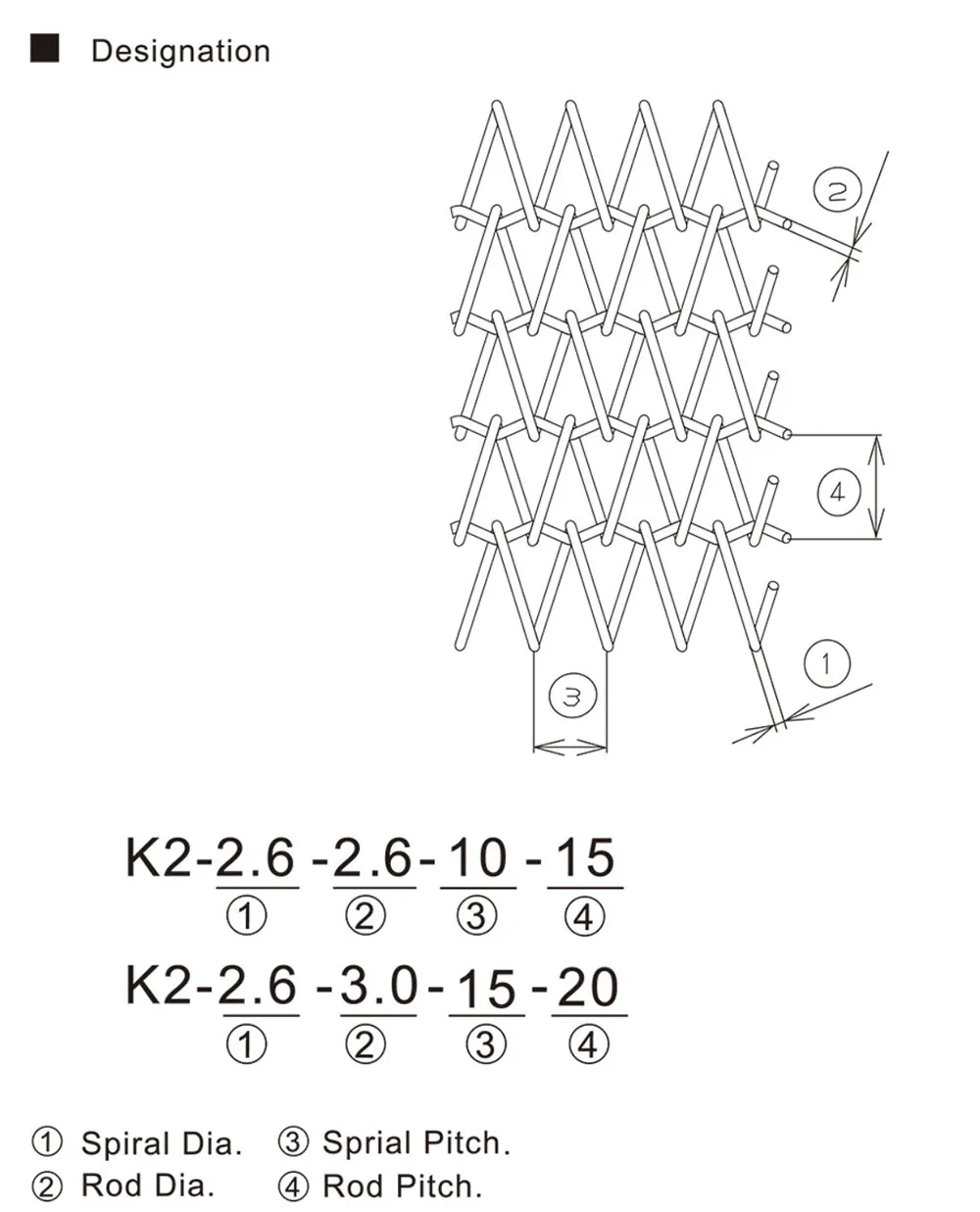
Balanced Weave is a friction-driven, straight-running woven wire conveyor belt with a balanced mesh pattern. It can be manufactured to nearly any size specification and wire diameter, making it suitable for a wide range of applications across manufacturing industries.
Weave method: consists of alternating single left-hand and right-hand spirals connected by a straight or crimped cross-rod connector. The belt edges can be welded.
Characteristic: high tensile strength, excellent tracking and maximum flexibility to ensure true belt travel. Please note that balanced metal weave conveyor belts have a less dense weave, which allows small pieces to pass through the belt openings.
Balanced weave belting is used in a wide range of industries, including automotive, baking, building products, carpet manufacturing, electronics, food processing, glass, poultry, packaging and many more.
Double balanced weave metal conveyor belts are a compromise between compound metal conveyor belts and balanced metal conveyor belts. They are woven like balanced conveyor belts, but with a tighter construction—offering characteristics closer to compound balanced conveyor belts.
Weave method: consists of alternating single left-hand and right-hand spirals connected by straight cross-rod connectors.
Characteristic: the Double Balanced Weave provides a closely woven mesh.
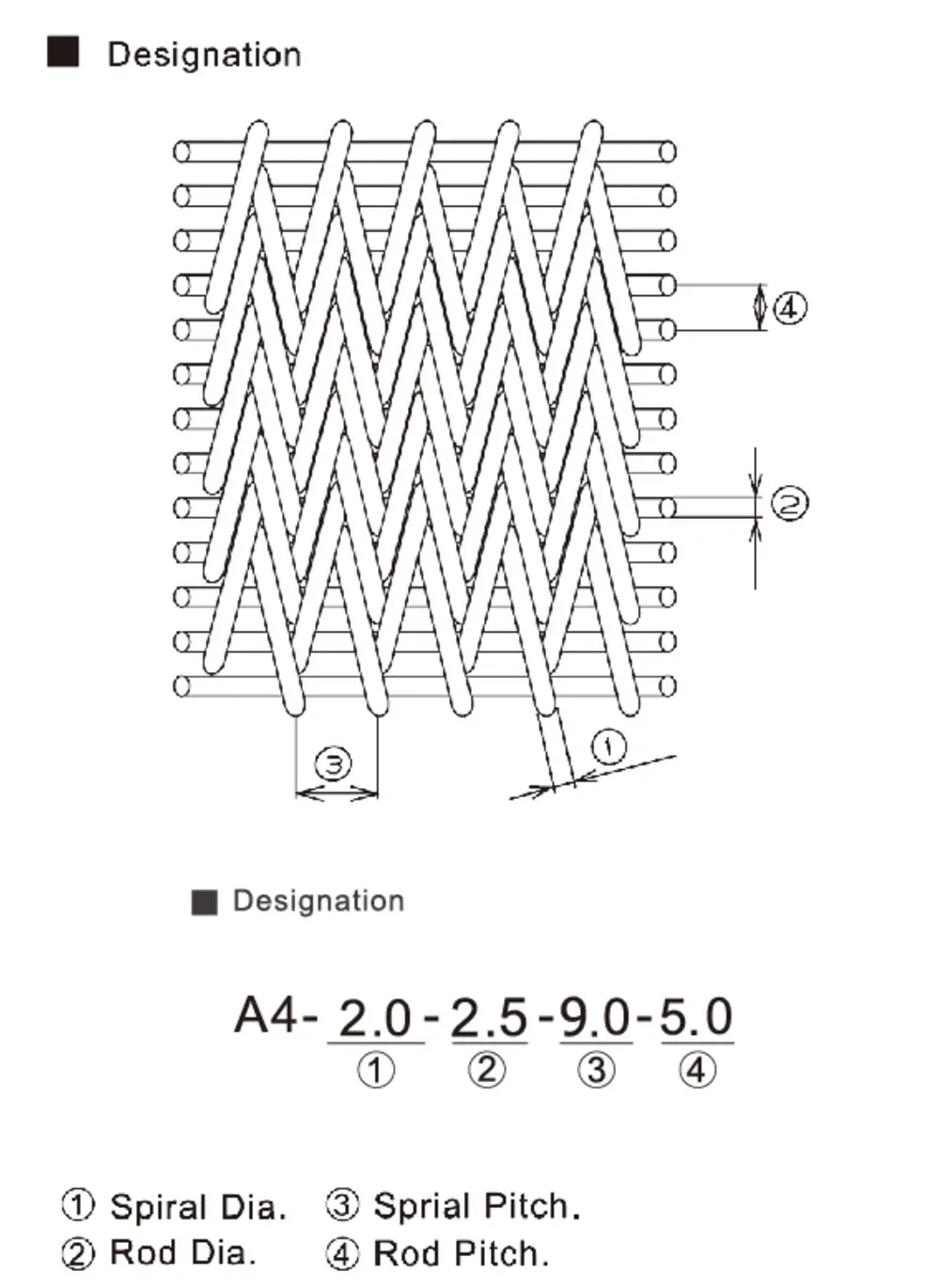
It is an ideal material for heavy-load conveying in elevated-temperature applications, such as sintering, brazing and annealing.
Double balanced weave belts are also used for air-flow applications and/or where clearance is required for cleaning purposes.
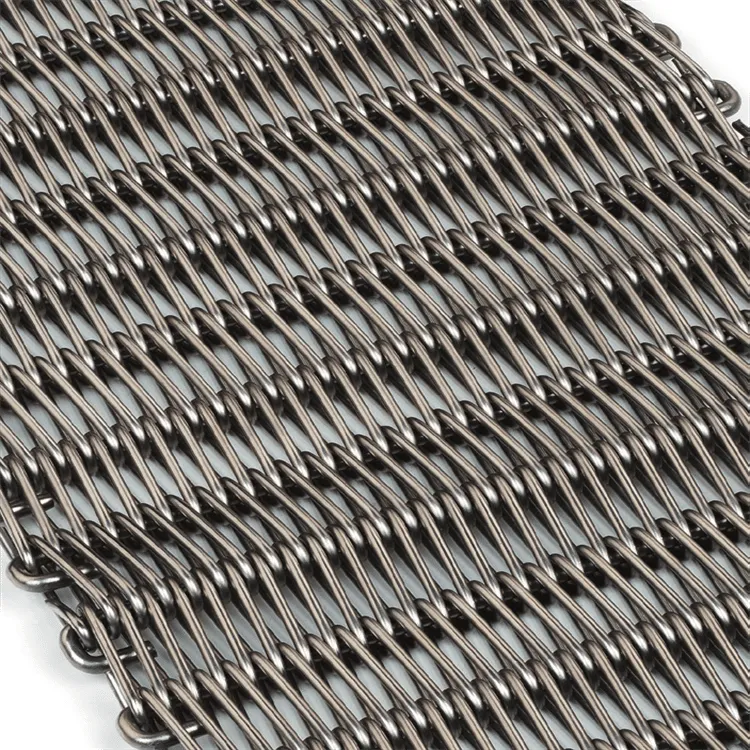
Weave method: compound balanced conveyor belts have alternating left-hand and right-hand spirals compounded together to form a tightly woven, flat conveying surface. The tight weave helps prevent materials from falling through the belt openings.
Characteristic: extremely close and uniform mesh, smooth and flat carrying surface, high density.
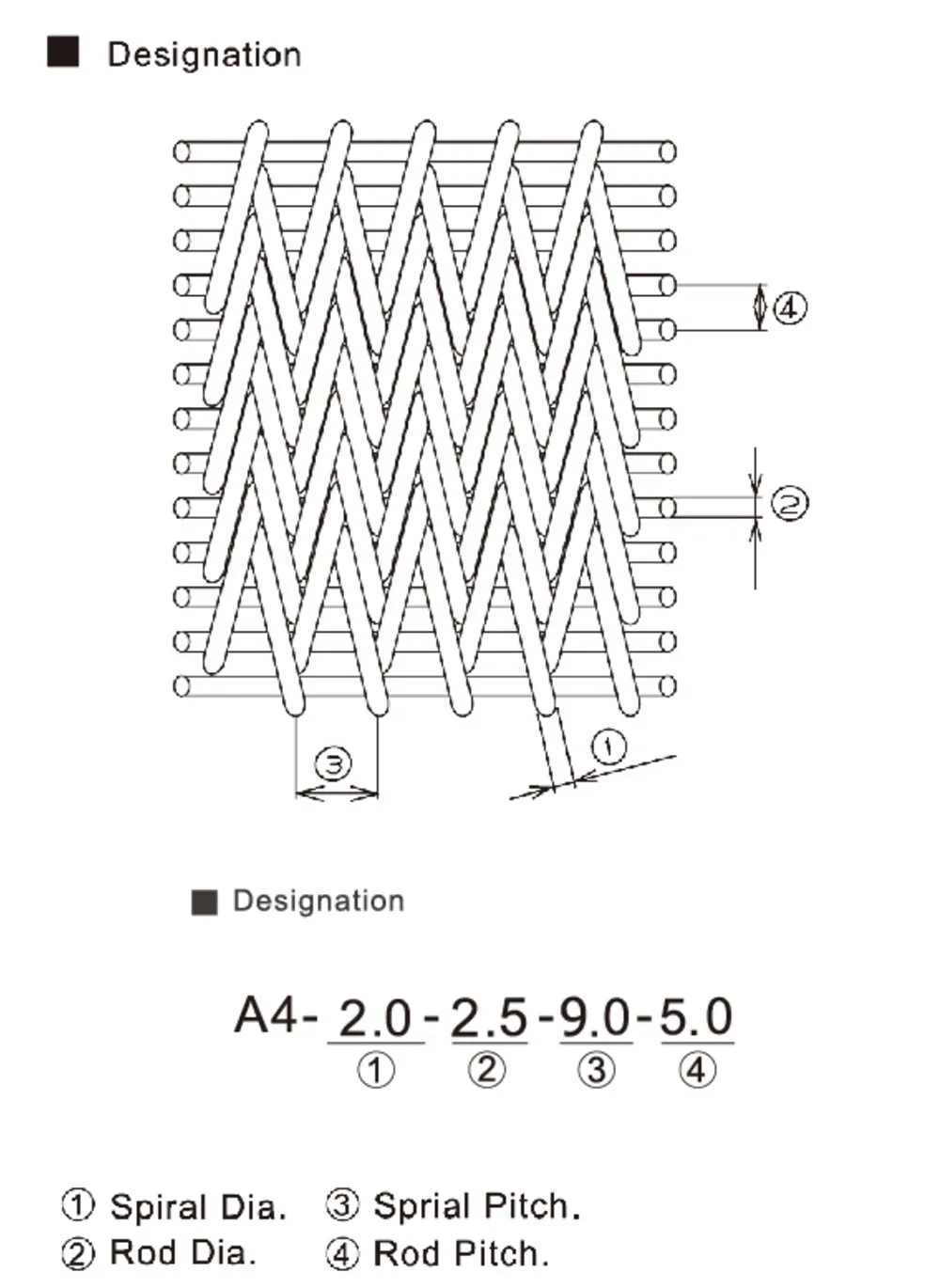
It is ideal for conveying very small items, ranging from biscuit baking to the sorting of small mechanical components. It is also used as furnace curtains.
 View product
Chain Link Metal Conveyor Belt
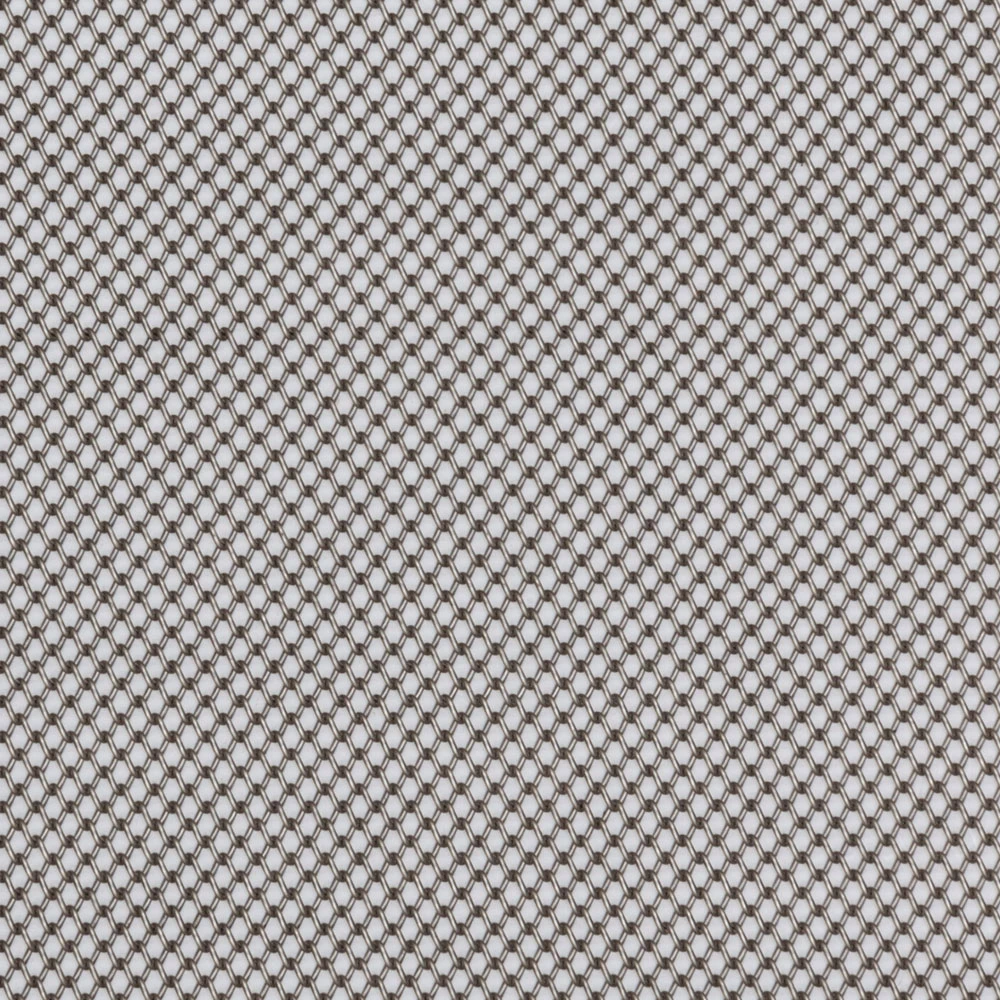
Conventional weave belts feature interwoven spirals with a chain-link appearance. Rod-reinforced belts are a conventional weave with a rod placed through the bite of the spirals at the point where the spirals interlock.
The design of chain link metal conveyor belts makes them cost-effective and well-suited for lightweight conveying applications. These conveyor belts feature a simple construction in which spiral coils are interwoven to form a wire mesh with either knuckled or welded edges.
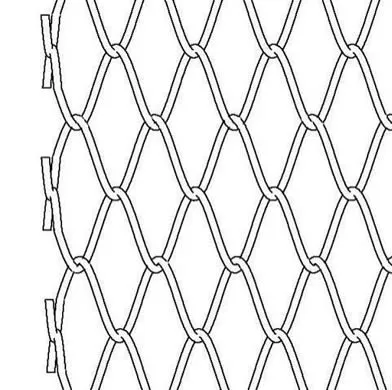
Chain Link Conveyor Belt (Knuckled)
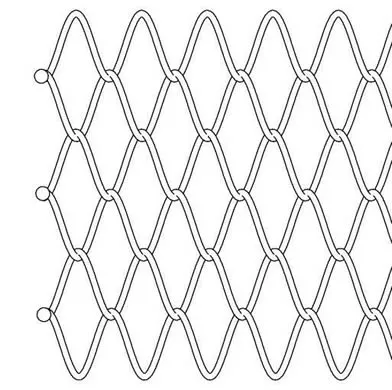
Chain Link Conveyor Belt (Welded)
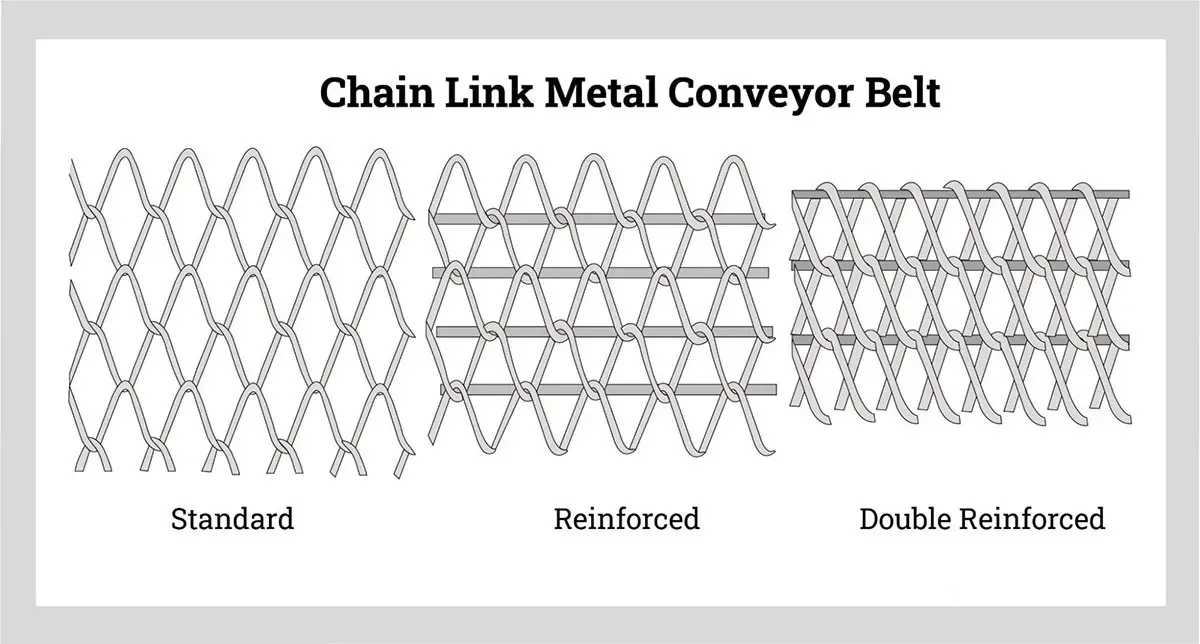
Three types of chain link metal conveyor belts are available: standard, reinforced, and double reinforced. Standard chain link conveyor belts have large open areas that support easy airflow for heating, cooling, and drying applications. Reinforced chain link metal conveyor belts are more robust, offer less open area, and are designed for more rugged applications. Among the three options, double reinforced chain link metal conveyor belts feature extremely small openings for superior strength and durability.
 View product
Flat-Flex Belting
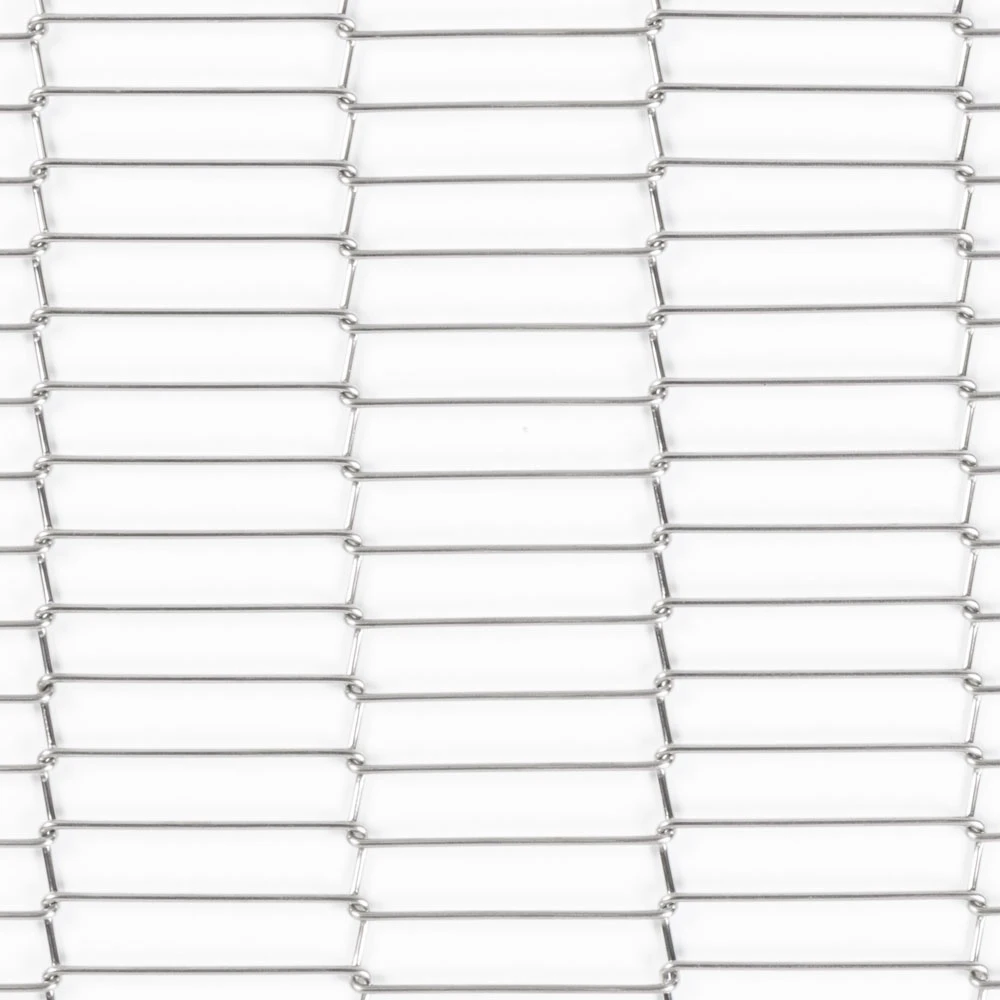
Flat Flex is the lightest weight, open-area, economical, and thinnest positive drive wire conveyor belt in its category. It is commonly used in breading, coating, and cooling and washing applications, and it is easy to clean.
Flat-Flex belts are available in a wide variety of materials; the standard material is 302 stainless steel. Other available materials include 316 stainless steel, various carbon steels, and high-temperature performance materials.
Three types of flat flex conveyor belt edges:
The flat flex conveyor belt can be formed into different edge types to suit different equipment and drive configurations. Select the edge type that best fits your application.
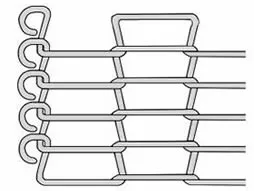
C-shaped loop edge
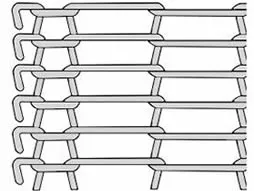
Double loop edge
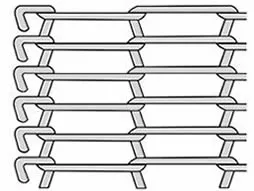
Single loop edge
Open-mesh area: up to 86% (reference/typical value)
Easy to clean, clean-in-place (CIP) design
Slip-resistant, positive drive
Very low belt mass
Smallest-diameter end rolls and drive rolls
Positive drive for accurate tracking
USDA Accepted
 View product
Latest Company News
Need a Mesh Solution?
Tell us mesh type, material, aperture and size — we will reply with a quotation shortly.
Contact UsOur Service
OEM/ODM wire mesh manufacturing, custom weaving, cutting and export packaging.
Explore services