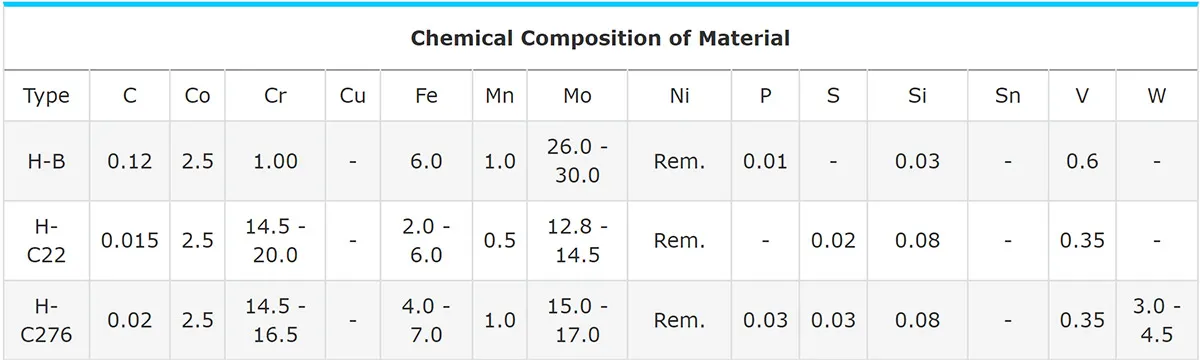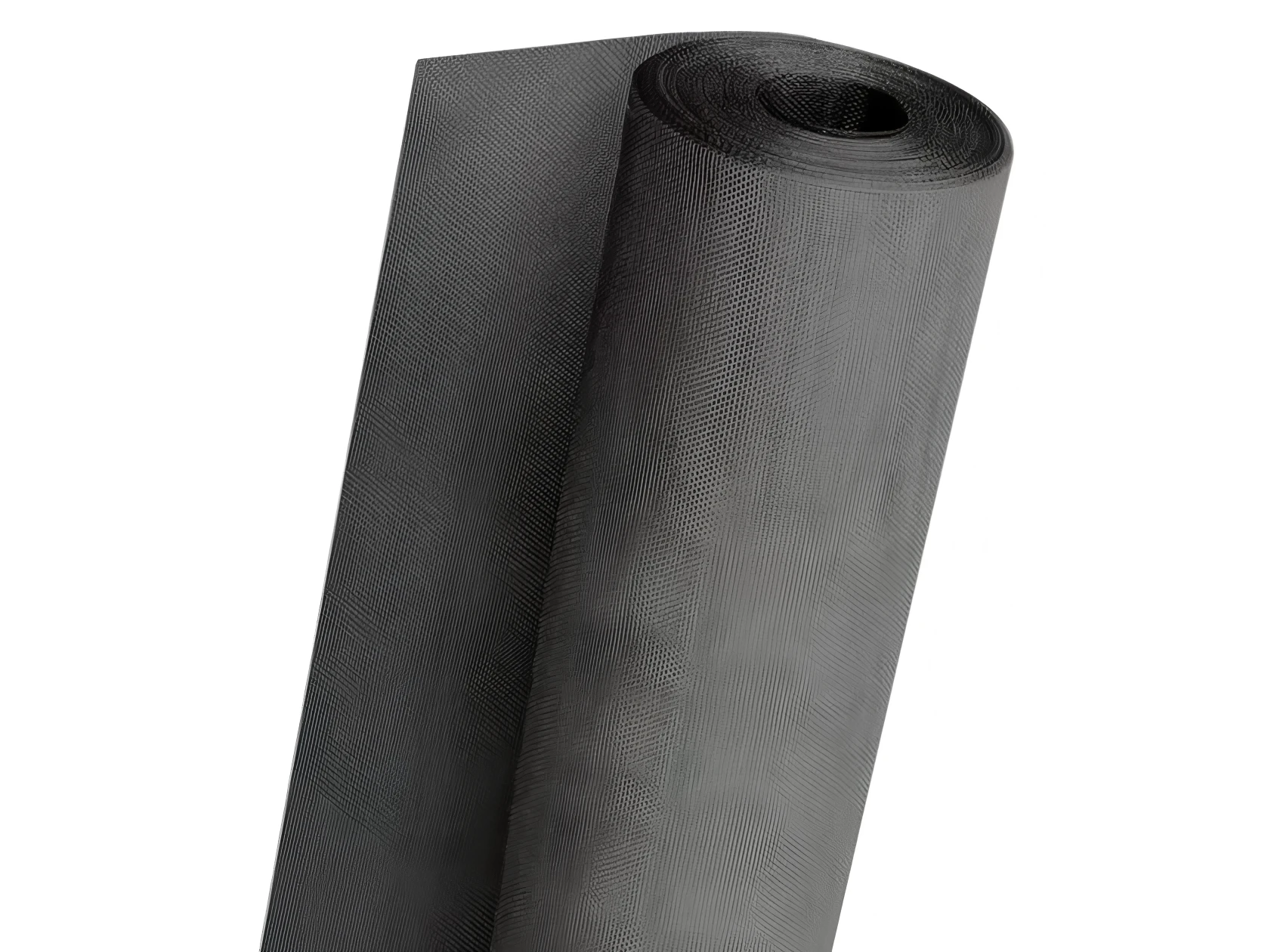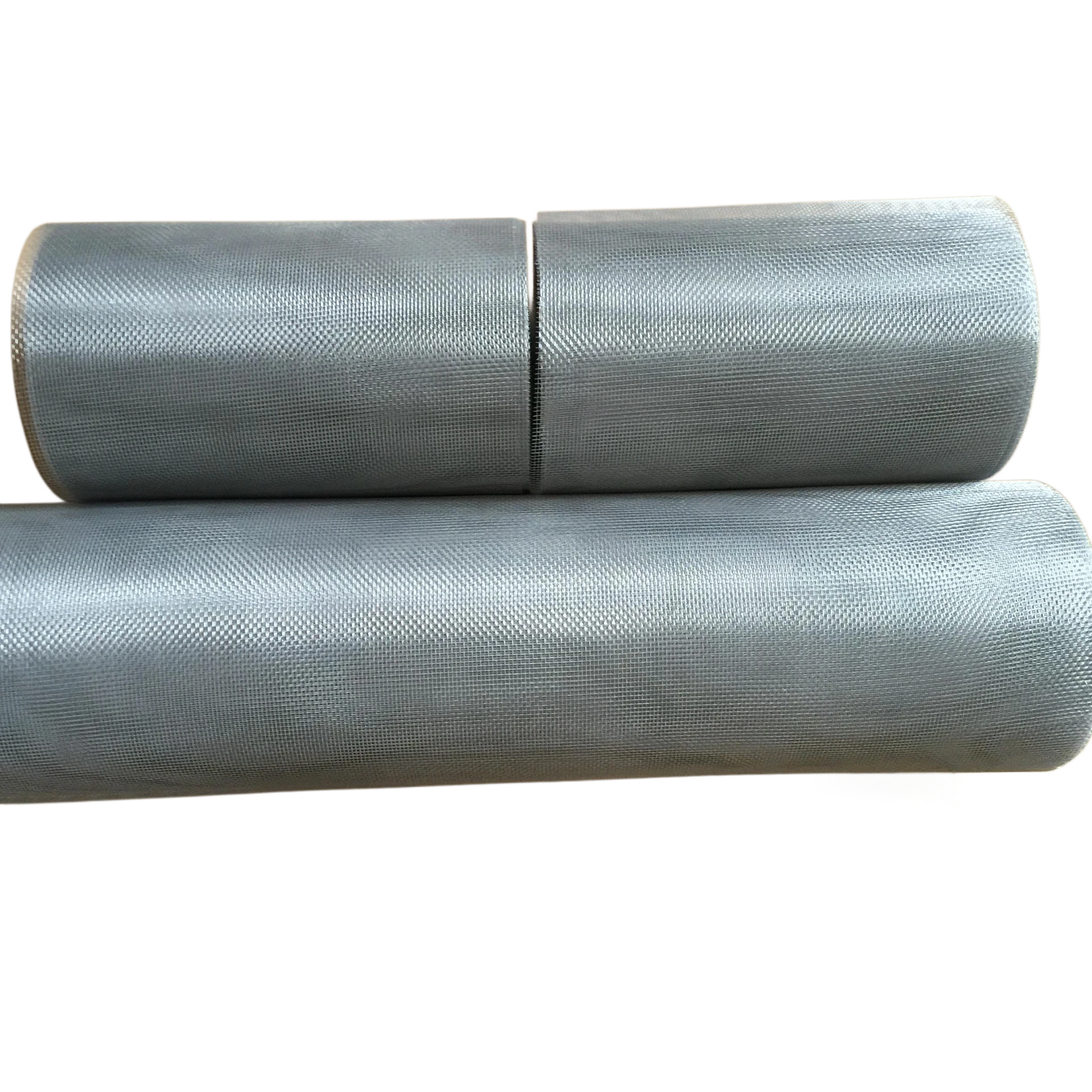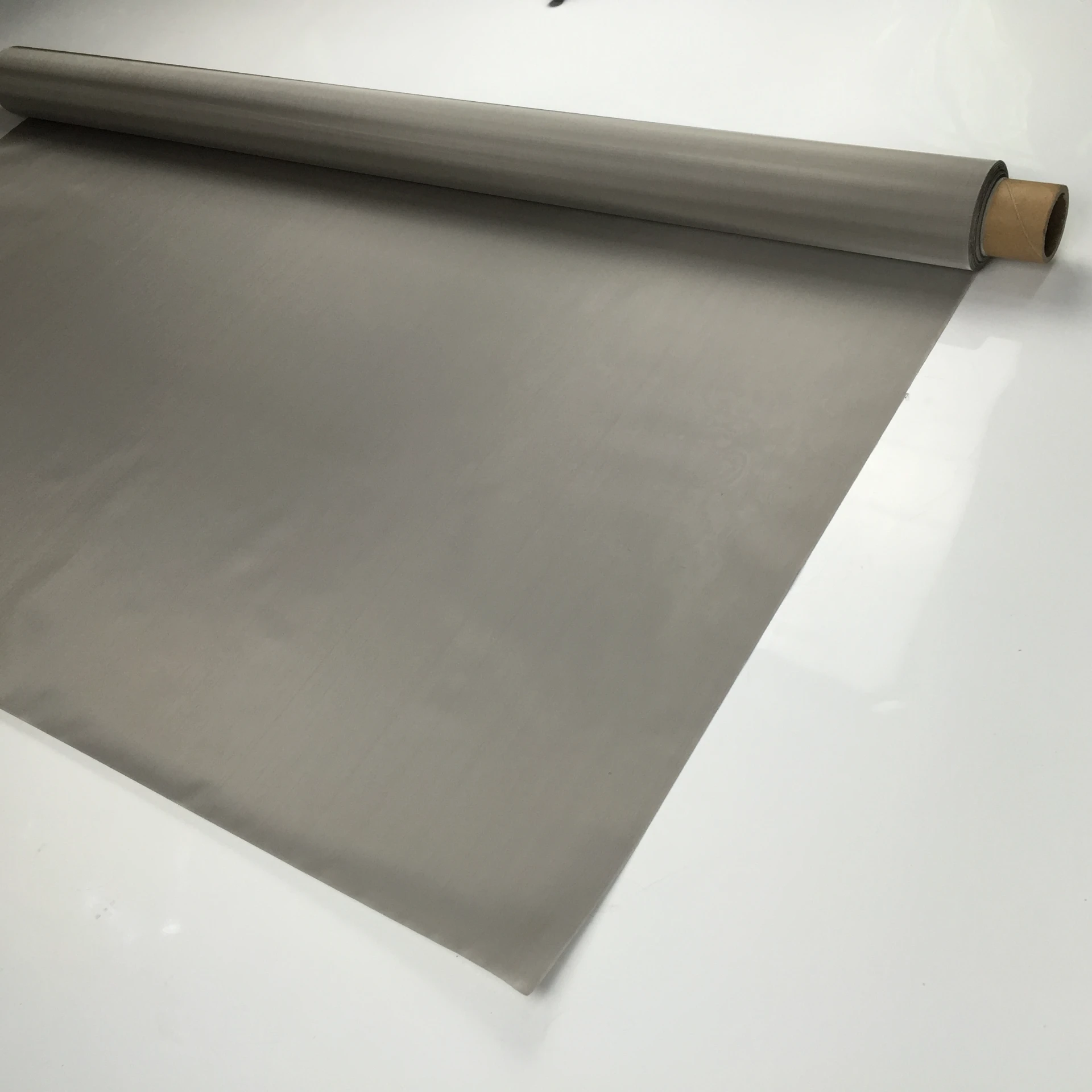
Hastelloy alloys, named after Haynes and the company, are high-performance nickel-based alloys containing cobalt, molybdenum, chromium, iron, copper, manganese, titanium, zirconium, aluminium, carbon, and tungsten; the exact composition and proportions vary by alloy type. They offer excellent corrosion resistance and temperature resistance up to 1,500°C, making them suitable for high-temperature processes and machinery operating under extreme heat. Material types: C-276, C-22, B-2, B-3; particle

The Hastelloy woven wire mesh offers excellent corrosion resistance in acidic, alkaline, salty, and other corrosive environments. It is used in various applications, including:
Drug manufacturing.
Cellophane preparation.
Chlorination equipment.
Pesticide processing.
Incineration scrubber systems.
Hastelloy woven wire mesh — UNS N10276 or DIN 2.4819, Hastelloy C-276 (also known as Alloy C-276), is a nickel-molybdenum-chromium-iron-tungsten alloy woven wire mesh. It is not applicable to Monel woven wire mesh or nichrome woven wire mesh. This alloy is among the most corrosion-resistant materials available. Its high molybdenum content helps reduce carbide-related issues, supporting resistance to intergranular corrosion formation in the heat-affected zone of welded joints.
Hastelloy wire mesh provides excellent resistance to corrosion and aggressive substances.
In addition, these high-performance alloys (including Hastelloy alloys) offer temperature resistance up to 1,500°C (reference/typical value, as stated).